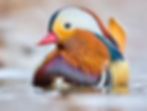
This is a space for visitors to learn about ducks. Also, there is information about a duck that lives in the chicken coop in Hanova.
How much do you know about Ducks?


What are ducks?
Ducks are the waterfowl that are generally smaller and shorter-necked than swans and geese. They are mostly aquatic birds, using their webbed feet to swim and dive. They can be found in both freshwater and seawater. Most of them are migratory birds and weigh 1~2kg on average.


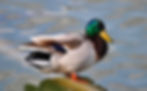
Ducks are omnivorous animals. In the water, they eat a variety of creatures such as water plants, insects, and small fish. On land, they eat grass, grains, and bugs.


They are divided into 3 different categories:
- Dabbling ducks
- Diving ducks
- Sea ducks
Body parts of ducks


1. Bill
The bill is wide and flat with different colors varying by species.
Bill has the role of a strainer. It has lamellae, which automatically can trap food, such as small seeds, plants, and insects, while letting out water. Also, this makes grass grazing easier. A lot of nerves are in the bill, which means it is very sensitive. This not only helps ducks find prey, but also helps them in the water in bad conditions, like murky or muddy water.

2. Webbed feet
Ducks’ webbed feet expand like a wide paddle to push forward and fold tightly when pulled back to reduce resistance. On land, it spreads the duck's weight, preventing sinking into mud. Blood vessels in webbed feet regulate body temperature, keeping ducks warm in ice-cold water and cooling them down in the heat. The leathery skin is tough enough to push against water, and flexible enough to fold instantly for comfortable walking.

1
2
3
4
3. Wings
Ducks fly in case of flying to new locations or escaping danger. They extend wings to stay upright while running or standing up, which plays a role in balance. In the water, wings help ducks change direction quickly and accurately. Also, ducks use wings to talk, such as showing strength by raising their wings and spreading their wings wide to defend.
4. Feathers
Feathers are waterproof, so they protect ducks’ bodies in the cold water and provide warmth. Ducks use their bills to spread oil from a gland near their tail across their feathers, which is called “Preening”, and this makes the feathers waterproof. Males are often colorful, but females have dull colors to stay safe. In the tropics, though, both males and females usually have the same colors.


Species


Duck in Hanova


Species
His species is assumed as the crossbreed of wild mallard and a magpie duck. His tiny body is similar to magpie duck, and his dark black and green head is the main trait of wild mallard.
He often follows the chickens around and gets along with them. However, he is more timid than the others, so he never gets the food first
Also, he runs very fast with little webbed feet.
Characteristics
Sound